
Childhood is the foundation stage of life where learning, character development, emotional growth, and physical wellbeing begin. During this stage, children need love, care, protection, quality education, and positive guidance to help them grow into responsible and confident individuals.
Children should be encouraged to learn, explore their talents, build healthy relationships, and develop good values such as honesty, kindness, discipline, and respect. Parents, guardians, schools, and communities all play an important role in ensuring that children grow in a safe and supportive environment.
At this stage, attention should also be given to healthcare, nutrition, emotional wellbeing, social interaction, and access to quality education. Every child deserves the opportunity to dream, learn, and build a brighter future.
Childhood is one of the most important stages of human development because it shapes a child’s future personality, mindset, health, and opportunities in life. The experiences children have during these early years greatly influence how they grow emotionally, socially, academically, and morally.
Providing children with proper care, guidance, and support helps build confident, responsible, and productive individuals who can contribute positively to society in the future.
Children are the future leaders, innovators, and changemakers of society. Investing in their education, health, safety, and personal development today helps create stronger communities and a better future for generations to come.


Adolescence and youth are important stages of transition, growth, self-discovery, and preparation for adulthood. During this period, young people begin to develop independence, build confidence, make life decisions, and shape their future goals and ambitions.
Youth need guidance, mentorship, education, and positive role models to help them navigate challenges and make responsible choices. This stage is also crucial for developing leadership skills, career interests, discipline, and healthy social relationships.
Young people should focus on education, skill acquisition, personal development, healthy lifestyles, and building strong values that will prepare them for adulthood and future responsibilities.
Adolescence and youth are critical stages of life where young people begin to discover their identity, develop their talents, and make decisions that can shape their future. During this period, teenagers often face academic pressure, peer influence, emotional changes, and important life choices. With the right guidance, mentorship, and support, young people can build confidence, develop leadership skills, and grow into responsible and productive adults. It is important for youth to focus on education, skill development, positive relationships, discipline, and setting meaningful goals for their future.
This stage also requires strong awareness about mental health, social behavior, technology use, and personal responsibility. Young people should be encouraged to avoid harmful activities such as drug abuse, violence, crime, and negative peer pressure while embracing positive values, self-respect, and healthy lifestyles. Families, schools, communities, and organizations all have an important role in supporting and empowering youth through mentorship programmes, educational opportunities, career guidance, and community engagement initiatives that help them reach their full potential and become positive agents of change in society.
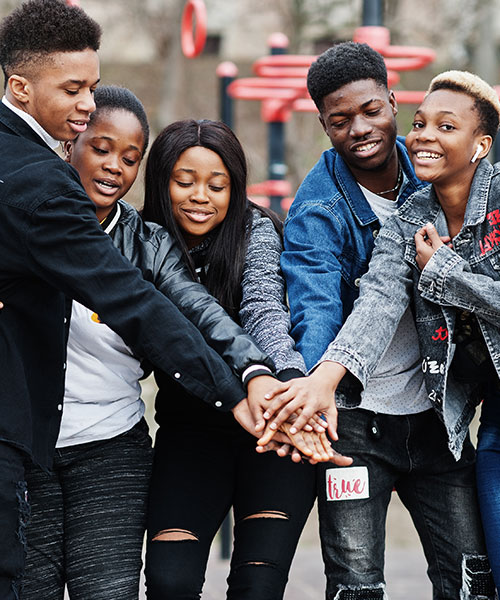

Adulthood is a stage of responsibility, productivity, growth, and contribution to society. At this stage, individuals focus on career development, family life, financial stability, personal growth, and community involvement.
Adults are expected to make informed decisions, support their families, contribute positively to society, and pursue continuous growth and development. This stage also requires balance between work, health, relationships, and personal wellbeing.
It is important for adults to invest in education, career advancement, financial planning, healthy living, and emotional wellbeing while also mentoring younger generations and contributing to community development.
Adulthood is a stage of life marked by responsibility, productivity, and personal growth. During this period, individuals are expected to build careers, support families, contribute to society, and make decisions that shape their future and the lives of others around them. It is a time for establishing stability through education, employment, entrepreneurship, financial planning, and healthy relationships. Adults are also encouraged to continue learning, developing new skills, and pursuing opportunities that improve their quality of life and personal fulfillment.
This stage also comes with important responsibilities related to health, emotional wellbeing, leadership, and community involvement. Adults should prioritize healthy living, mental wellness, work-life balance, and positive social relationships while serving as role models and mentors to younger generations. Communities and organizations should continue to provide support through empowerment programmes, healthcare initiatives, career development opportunities, and family support systems that help adults achieve sustainable growth, economic stability, and meaningful contributions to society.

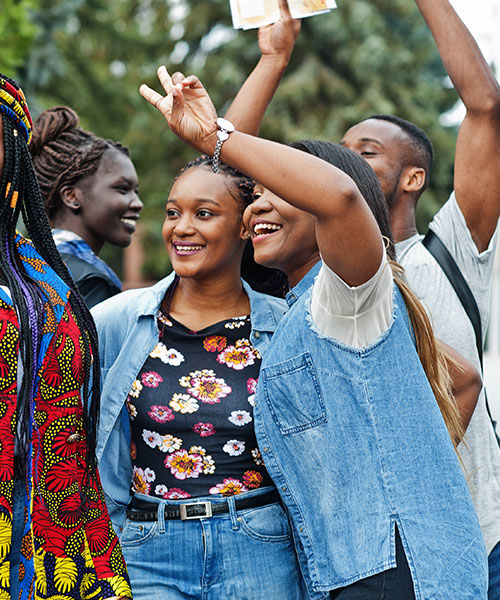
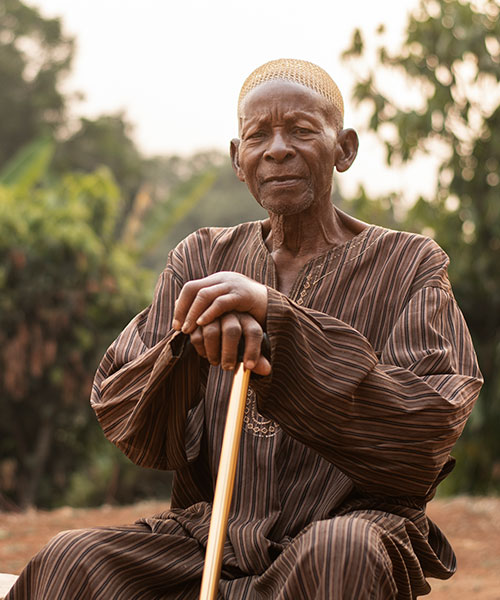
Old age is a stage of reflection, wisdom, mentorship, and continued value to society. Elderly individuals have contributed greatly to families, communities, and society through their experiences, knowledge, and years of service.
At this stage, senior citizens deserve love, respect, healthcare support, emotional care, and social inclusion. It is important to ensure that the elderly live with dignity, comfort, security, and access to the support they need.
The elderly also play an important role in mentoring younger generations, sharing wisdom, preserving values, and promoting unity within families and communities.
Old age is a stage of life that reflects wisdom, experience, and lifelong contributions to family and society. Elderly individuals have played important roles in shaping communities, raising families, mentoring younger generations, and preserving cultural and moral values. At this stage, seniors deserve love, respect, appreciation, and proper care for the sacrifices and contributions they have made throughout their lives. It is important to create environments where older adults feel valued, included, and supported emotionally, socially, and physically.
As people grow older, attention should be given to healthcare, emotional wellbeing, financial security, companionship, and active living. Elderly individuals should be encouraged to remain socially engaged, share their knowledge and experiences, and participate in activities that promote healthy aging and mental wellness. Families, communities, and organizations all have a responsibility to provide support systems that protect the dignity, comfort, and quality of life of senior citizens while ensuring they continue to live fulfilling and meaningful lives.


Our programmes are thoughtfully created to provide valuable knowledge, practical insights, and impactful content that informs, empowers, and transforms lives. Whether you're looking for personal development, educational resources, motivational content, or engaging discussions, you'll find videos that help you grow and succeed.
TAIYAED is a nonprofit and nongovernmental organization committed to improving lives through education, empowerment, healthcare, advocacy, and humanitarian services across all age groups.
We are available anytime, anyday, anywhere.