
The Igbo people are one of the largest ethnic groups in Africa and one of the three major ethnic groups in Nigeria. They are predominantly found in the southeastern region of Nigeria, particularly in Abia, Anambra, Ebonyi, Enugu, and Imo States, as well as parts of Delta and Rivers States. The Igbo language belongs to the Niger-Congo language family and is spoken by millions of people within Nigeria and across the world.
Early Origins
The exact origin of the Igbo people remains a subject of historical and archaeological study. Oral traditions and archaeological evidence suggest that the Igbo have inhabited the southeastern region of present-day Nigeria for thousands of years.
One of the most important archaeological discoveries relating to early Igbo civilization was made at Igbo-Ukwu, where excavations uncovered sophisticated bronze artifacts dating to around the 9th century AD. These findings demonstrated that the Igbo had developed advanced metalworking skills and participated in extensive trade networks long before European contact.
Unlike many neighboring societies that developed centralized kingdoms, many traditional Igbo communities operated through decentralized political systems based on villages, clans, and councils of elders.
Traditional Political Organization
The traditional Igbo political system was largely republican and democratic in nature. Authority was often shared among:
- Councils of elders
- Village assemblies
- Age-grade associations
- Title holders
- Religious leaders
Important decisions affecting the community were usually made collectively rather than by a single king or ruler.
However, some Igbo communities developed monarchies and centralized systems. Examples include the kingdoms of:
- Nri Kingdom
- Arochukwu Kingdom
- Onitsha Kingdom
Among these, the Nri Kingdom is often regarded as one of the oldest and most influential spiritual and cultural centres in Igbo history.
Commerce and Trade
The Igbo people developed vibrant local and regional economies based on agriculture and trade. Major agricultural products included yam, cassava, cocoyam, palm produce, and vegetables.
Trade flourished through extensive market networks, and communities exchanged goods such as:
- Palm oil
- Salt
- Textiles
- Metal products
- Agricultural produce
The Igbo became well known for their entrepreneurial skills and commercial activities, a characteristic that remains prominent today.
Colonial Period
During the late 19th century, southeastern Nigeria came under British colonial control. The introduction of colonial administration altered many traditional political structures.
One of the most significant events of the colonial era was the Women’s War of 1929, also known as the Aba Women’s Riot, during which thousands of Igbo women protested colonial taxation policies and administrative practices. The protest became one of the largest anti-colonial movements in Nigerian history.
The Nigerian Civil War
A defining moment in modern Igbo history was the Nigerian Civil War (1967–1970). Following political tensions and ethnic violence in Nigeria, the Eastern Region declared itself the independent Republic of Biafra under the leadership of Chukwuemeka Odumegwu Ojukwu.
The conflict resulted in significant loss of life and humanitarian suffering before the war ended in 1970 with the reintegration of the Eastern Region into Nigeria.
Igbo Culture and Heritage
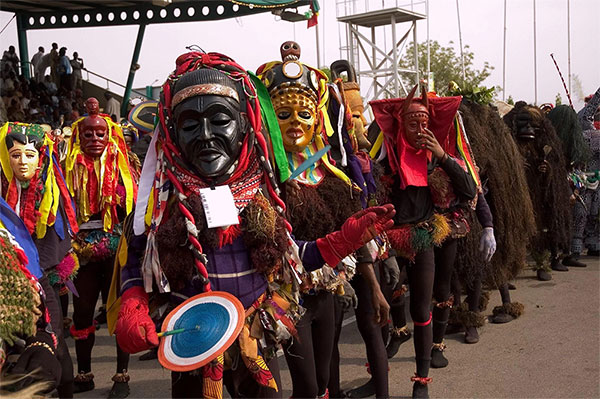
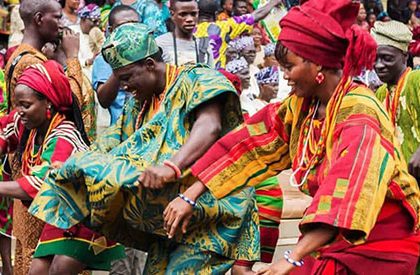
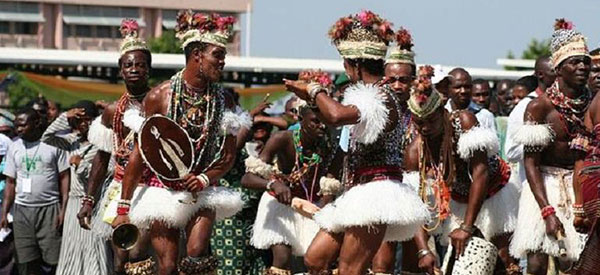
The Igbo people possess a rich cultural heritage characterized by:
- The Igbo language and its numerous dialects.
- Traditional festivals such as the New Yam Festival.
- Colorful masquerade traditions.
- Rich folklore, music, dance, and storytelling.
- Strong communal values and extended family systems.
Traditional religion centred on the worship of a supreme deity, Chukwu, alongside various spiritual beings and ancestral reverence, although Christianity is now the dominant religion among the Igbo.
The Igbo in Modern Nigeria
Today, the Igbo are among Nigeria’s most influential groups in business, education, politics, technology, and the professions. Igbo communities can be found across Nigeria and throughout the world, contributing significantly to commerce and economic development.
The history of the Igbo people reflects resilience, innovation, entrepreneurship, and a deep commitment to community and cultural identity, making them one of Africa’s most remarkable civilizations.